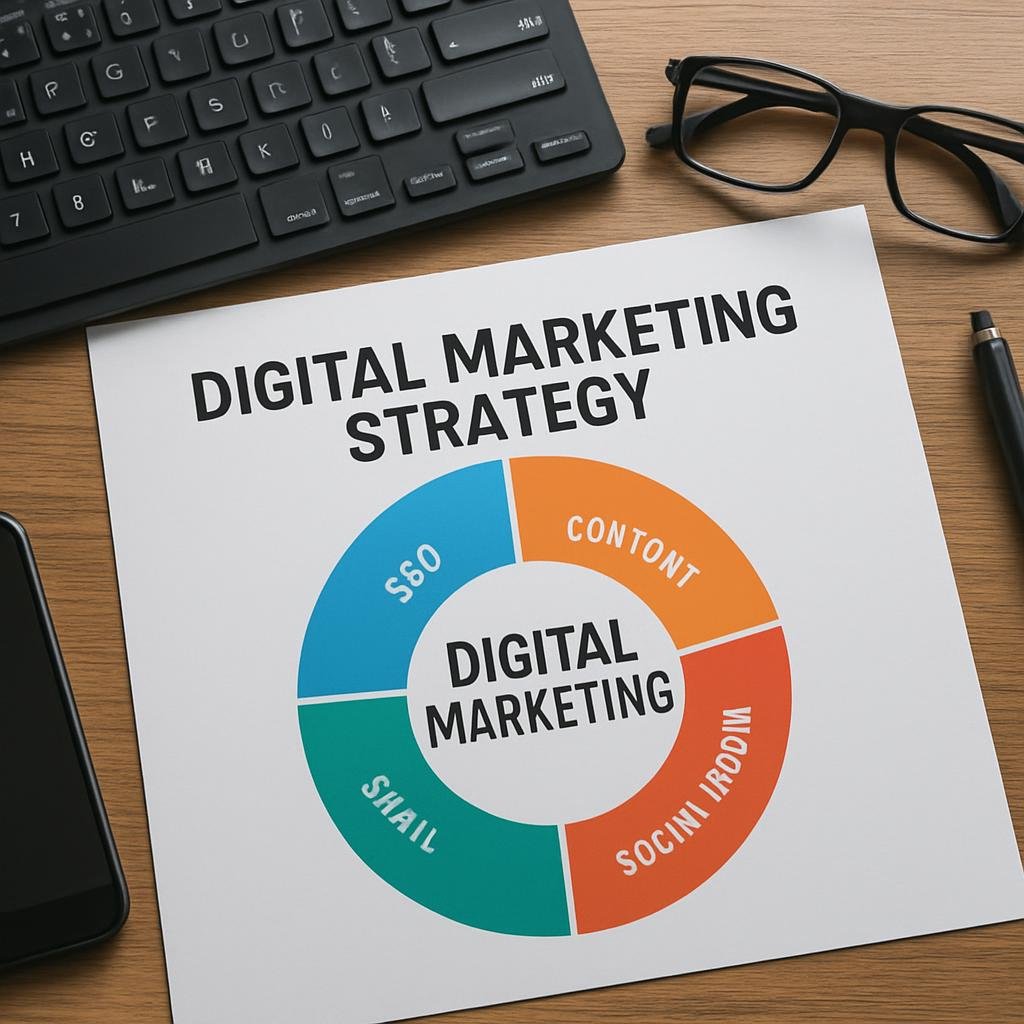
In today’s fast-paced digital world, mastering a solid digital marketing strategy is essential for any business aiming to grow and thrive online. Whether you’re a small startup or an established brand, understanding the key steps to create an effective strategy can make all the difference. Let’s walk through some of the most important elements—like SEO, content creation, analytics, campaigns, and audience engagement—that will help you succeed in your digital marketing journey.
Understand Your Audience
The foundation of any successful digital marketing strategy starts with knowing your audience inside out. Who are they? What problems do they face? What motivates their decisions? By answering these questions, you’ll be able to tailor your messages and campaigns to resonate deeply. Use tools like Google Analytics or social media insights to gather data about your visitors’ demographics and behavior. This knowledge allows you to craft content that truly speaks their language and meets their needs.
Focus on SEO (Search Engine Optimization)
SEO is one of the most powerful tools in your digital marketing toolkit. It helps your website rank higher in search engine results pages (SERPs), making it easier for potential customers to find you organically. Start by researching relevant keywords that your audience is searching for—these should be naturally integrated into your website copy, blog posts, product descriptions, and meta tags.
Don’t forget about technical SEO aspects like site speed, mobile-friendliness, and secure connections (HTTPS). These factors contribute significantly to user experience and search rankings. Regularly updating your content and building quality backlinks also boost your authority in the eyes of search engines.
Create Valuable Content
Content is king—and this phrase still holds true! Whether it’s blog articles, videos, infographics, or podcasts, delivering valuable content keeps your audience engaged and positions you as an industry expert. Consistency matters here; publishing regularly builds trust over time.
Your content should serve multiple purposes: educate your audience about solutions related to their challenges, entertain them with relatable stories or visuals, and inspire action towards becoming loyal customers. Remember to optimize each piece for SEO by including targeted keywords without stuffing them unnaturally.
Design Effective Campaigns
A well-planned campaign ties together all elements of your strategy into focused efforts aimed at achieving specific goals—whether that’s increasing brand awareness, driving traffic to a landing page, or boosting sales during a promotion.
Start by defining clear objectives and key performance indicators (KPIs). Then select appropriate channels such as social media platforms, email marketing lists, paid ads (Google Ads or Facebook Ads), or influencer partnerships depending on where your audience spends time online.
Craft compelling calls-to-action (CTAs) that encourage users to engage—be it signing up for a newsletter or making a purchase—and ensure every step of the customer journey feels seamless from first contact through conversion.
Leverage Analytics for Continuous Improvement
No strategy is complete without measuring its effectiveness through analytics. Tools like Google Analytics provide invaluable insights into how visitors interact with your site: which pages they visit most often, how long they stay on each page, what devices they use—and much more.
This data helps identify what’s working well so you can double down on those tactics while spotting areas needing improvement before issues become bigger problems. Regularly review campaign performance metrics such as click-through rates (CTR), conversion rates, bounce rates, and ROI.
By embracing a mindset of continuous learning fueled by analytics (“ytics” if we want a fun shorthand!), you keep evolving smarter strategies that adapt alongside changing market trends and consumer behaviors.
Final Thoughts
Mastering digital marketing isn’t about quick fixes—it requires thoughtful planning combined with creativity and adaptability. By focusing on understanding your audience deeply; optimizing SEO; creating consistent valuable content; designing targeted campaigns; and leveraging analytics—you set yourself up for lasting success online.
If you take these key steps seriously while staying open to experimenting with new ideas along the way—you’ll not only reach more people but build meaningful relationships that turn prospects into passionate advocates for your brand!
